
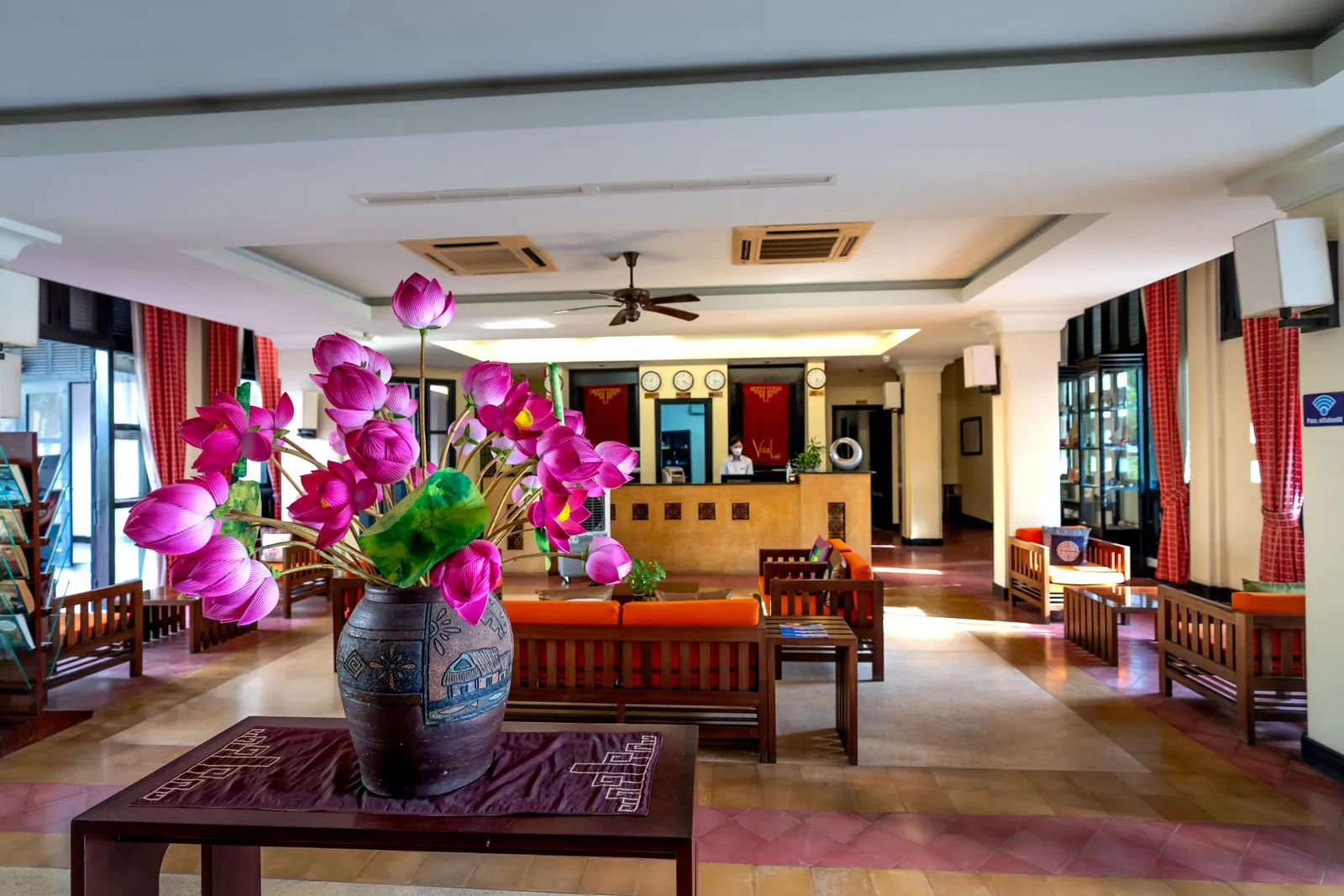
A hospitality marketing plan connects your business goals with the messages, channels, and guest experiences that can help achieve them. Whether you run a hotel, restaurant, event venue, or attraction, a useful plan should reflect your audience, seasonal patterns, and available resources. It does not need to be complicated. Start with a clear picture of what you want to change, then decide how you will reach guests and track progress.
Set Specific Business Goals
Begin with the business outcome you want marketing to support. You might aim to increase direct bookings, fill weekday rooms, attract more private events, grow restaurant reservations, or encourage repeat visits. Choose a defined period and a baseline, such as current bookings or reservation inquiries, so you can compare results later.
Connect each goal to a guest group and a reason to choose your business. For example, a hotel seeking more midweek stays could focus on business travelers or local staycation guests. Keep the number of priorities manageable. A short list helps your team direct time and budget toward the outcomes that matter most.
Choose Channels for Your Guests
Select channels based on how your target guests discover, evaluate, and book hospitality experiences. Your website should make key details easy to find, including location, amenities, menus or room options, policies, and booking steps. Search visibility, email, social media, online travel platforms, and local partnerships may also play a role, depending on your business and audience.
Give each channel a clear job rather than trying to be active everywhere. Use email to reach past guests with relevant updates, for example, and social media to show the atmosphere and experiences people can expect. Keep business information, images, offers, and links consistent across channels. Review which sources bring qualified inquiries or completed bookings before adding more.
Plan Coordinated Campaigns
Turn your goals into campaigns with a defined audience, offer or message, schedule, and next step. A seasonal package, dining promotion, event booking push, or local experience can give guests a timely reason to act. Make sure the offer fits your operations and that staff can deliver what the campaign promises.
Map campaign dates around demand patterns, local events, holidays, and booking lead times. Prepare the website page, email, social posts, and any partner materials before launch. Use a consistent message, but adapt the format to each channel. Assign an owner and set review dates so the team can catch errors, respond to guest questions, and adjust if availability changes.
Measure and Improve Results
Choose a small set of measures tied to each goal. Depending on the campaign, these may include website visits to booking pages, reservation inquiries, completed bookings, email responses, event leads, or repeat visits. Track revenue or booking value when possible, and note the source of each inquiry so you can distinguish visibility from business impact.
Review results on a regular schedule and compare them with your baseline and goal. Look for practical explanations: Was the offer clear? Did guests reach the booking step easily? Did the campaign run when the audience was planning? Keep what performs well, revise what falls short, and document what you learn. Lakefront Hospitality can help Cleveland hospitality businesses shape and refine a marketing plan.
A strong hospitality marketing plan gives your team a clear direction: specific goals, channels suited to your guests, campaigns your operation can support, and measures that guide the next decision. Start with one priority, track it consistently, and improve the plan as you learn. If you would like support putting the pieces together, contact Lakefront Hospitality to discuss your marketing needs.